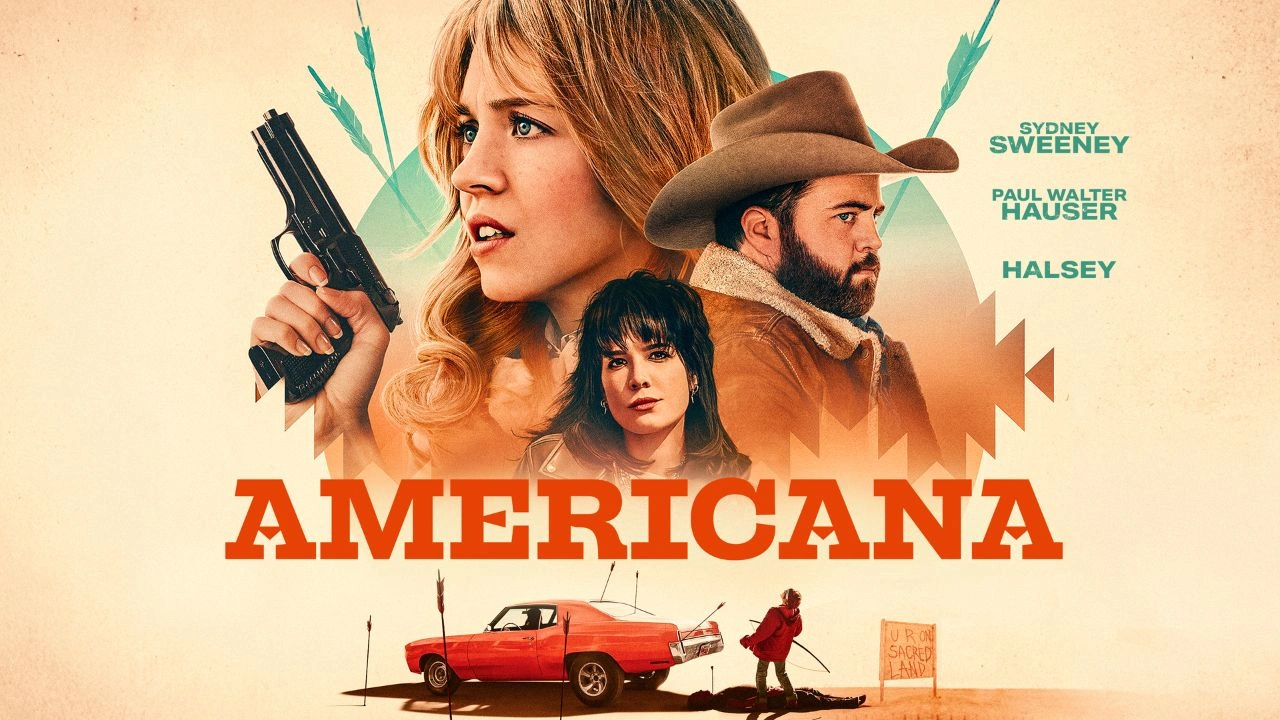
Americana Movie: Released as a nationwide film on Friday, August 15, 2025, Americana arrives as a striking and emotionally layered cinematic experience. Far from a glossy or romanticized depiction of the United States, Americana dives into the raw textures of everyday life—exploring identity, ambition, disillusionment, and survival in a country defined as much by struggle as by opportunity.
This is not a loud film, nor one driven by spectacle. Instead, Americana earns its power through authenticity, character depth, and a narrative that feels uncomfortably close to reality. It is a movie that asks viewers not just to watch, but to reflect.
A Release That Signals Confidence in Storytelling
Opening nationwide in mid-August—a period often reserved for serious dramas and audience-driven discoveries—Americana positions itself as a film meant to be taken seriously. August releases traditionally attract viewers looking for substance rather than escapism, and Americana fits that mold perfectly.
The timing also allows the film to breathe. Without the pressure of blockbuster competition, it invites audiences to engage with its themes at a slower, more thoughtful pace. This is cinema built on conversation, not instant gratification.
A Story Rooted in Reality, Not Romance
At its heart, Americana is a character-driven drama that explores the lives of individuals navigating a rapidly changing America. The film does not rely on a single heroic arc or tidy resolution. Instead, it presents intersecting lives—each shaped by economic pressure, personal history, and the quiet weight of unrealized dreams.

The narrative structure feels organic, almost observational. Rather than forcing dramatic twists, the story unfolds through everyday moments: strained conversations, difficult choices, fleeting hopes, and subtle defeats. These moments accumulate, creating emotional depth without manipulation.
What makes Americana compelling is its honesty. It neither condemns nor celebrates its characters outright. It simply shows them as they are—flawed, resilient, conflicted, and human.
Read Also: Champion 2025 Review: A Realistic Boxing Drama With Heart
Narrative Pacing: Deliberate and Immersive
The pacing of Americana may surprise viewers accustomed to fast-moving plots. This film takes its time, allowing scenes to linger and emotions to surface naturally. Silence is just as important as dialogue, and stillness is used to powerful effect.
Rather than pushing the audience forward, the film invites them to sit with discomfort and uncertainty. This approach creates a sense of immersion, making the world of Americana feel lived-in and authentic.
For patient viewers, the reward is significant: a story that feels deeply personal and emotionally earned.
Characters That Feel Real, Not Written
Everyday Protagonists
The central characters in Americana are not extraordinary by traditional cinematic standards—and that is precisely the point. They are workers, dreamers, outsiders, and survivors. Their struggles are familiar, their hopes modest, and their failures deeply human.
Performances are understated yet powerful. Actors rely on subtle expressions and restrained emotion rather than grand speeches. This realism allows the audience to project themselves into the story, creating empathy rather than admiration.
Supporting Roles That Add Texture
The supporting cast enriches the film’s emotional landscape. Each secondary character feels purposeful, representing different facets of modern American life—community, isolation, opportunity, and loss.
There are no wasted performances here. Every interaction contributes to the film’s broader commentary on connection and disconnection in contemporary society.
Themes That Define Americana
The Myth and Reality of the American Dream
One of the film’s most prominent themes is the tension between the promise of the American Dream and its lived reality. Americana does not argue that the dream is dead—but it does suggest that it looks very different depending on who you are and where you stand.
Economic Pressure and Identity
Money—or the lack of it—shapes nearly every decision in the film. Characters are constantly negotiating between survival and self-respect. These pressures influence relationships, morality, and self-worth, making economic struggle a quiet but constant presence.
Belonging in a Fragmented Society
Americana also explores loneliness in a crowded nation. Despite being surrounded by people, many characters feel unseen and unheard. The film asks whether true connection is still possible in a society driven by speed, competition, and distraction.
Direction That Respects the Audience
The direction of Americana is confident yet restrained. There is no attempt to manipulate emotions through excessive music or dramatic framing. Instead, the filmmaker trusts the story and performances to carry weight.
Scenes are often shot with a naturalistic eye, allowing environments to speak as loudly as dialogue. This approach enhances authenticity and keeps the film grounded in reality.
The director’s restraint is one of the film’s greatest strengths, allowing meaning to emerge organically rather than being imposed.
Cinematography: Beauty in the Ordinary
Visually, Americana finds beauty in the mundane. The cinematography favors natural light, wide landscapes, and intimate close-ups. Small towns, open roads, modest homes, and worn interiors become emotional backdrops rather than mere settings.
The camera often observes rather than directs attention, reinforcing the film’s documentary-like realism. These visual choices align perfectly with the film’s themes of authenticity and truth.
Sound Design and Music: Subtle and Purposeful
The sound design in Americana is minimalistic. Ambient noise—wind, traffic, distant voices—creates atmosphere without distraction. Music is used sparingly, often appearing only at key emotional moments.
When the score does surface, it is understated and evocative, enhancing mood without overwhelming the scene. This restraint ensures that emotions feel genuine rather than manufactured.
Emotional Impact: Quiet but Lasting
Americana does not aim to shock or overwhelm. Instead, it leaves a slow-burning emotional impression. Viewers may not realize the film’s full impact until hours—or even days—after watching.
Its questions linger:
What does success really mean?
Who gets left behind in the pursuit of progress?
How do people hold onto dignity when circumstances strip away choice?
These reflections give Americana a lasting resonance.
Who Will Connect Most with Americana
This film is ideal for viewers who appreciate:
- Character-driven dramas
- Realistic, socially grounded storytelling
- Films that prioritize emotion over action
- Thoughtful, reflective cinema
It may not appeal to those seeking escapism or fast-paced entertainment, but for audiences who value depth and authenticity, Americana is deeply rewarding.
Read Also: Crime 101 Movie Review 2026 – A Stylish, Intelligent Crime Thriller
Americana’s Place in Modern Cinema
In a landscape crowded with sequels, franchises, and high-concept spectacles, Americana stands apart. It aligns more closely with independent dramas that focus on human experience rather than commercial formulas.
Its willingness to confront uncomfortable truths without offering easy solutions makes it a bold and meaningful contribution to modern cinema.
Official Trailer
Conclusion: A Powerful Reflection of a Nation and Its People
Released nationwide on August 15, 2025, Americana is a film that speaks softly but carries profound weight. Through authentic characters, restrained direction, and emotionally resonant themes, it offers a sincere portrait of life in contemporary America.
This is not a movie designed to entertain briefly and fade away. It is a film meant to be felt, remembered, and discussed.
For viewers seeking honesty, empathy, and storytelling with substance, Americana is a deeply affecting cinematic experience—one that captures the soul of a nation through the lives of its people.
1 thought on “Americana Movie Review 2025) – A Gritty Portrait of Modern America”