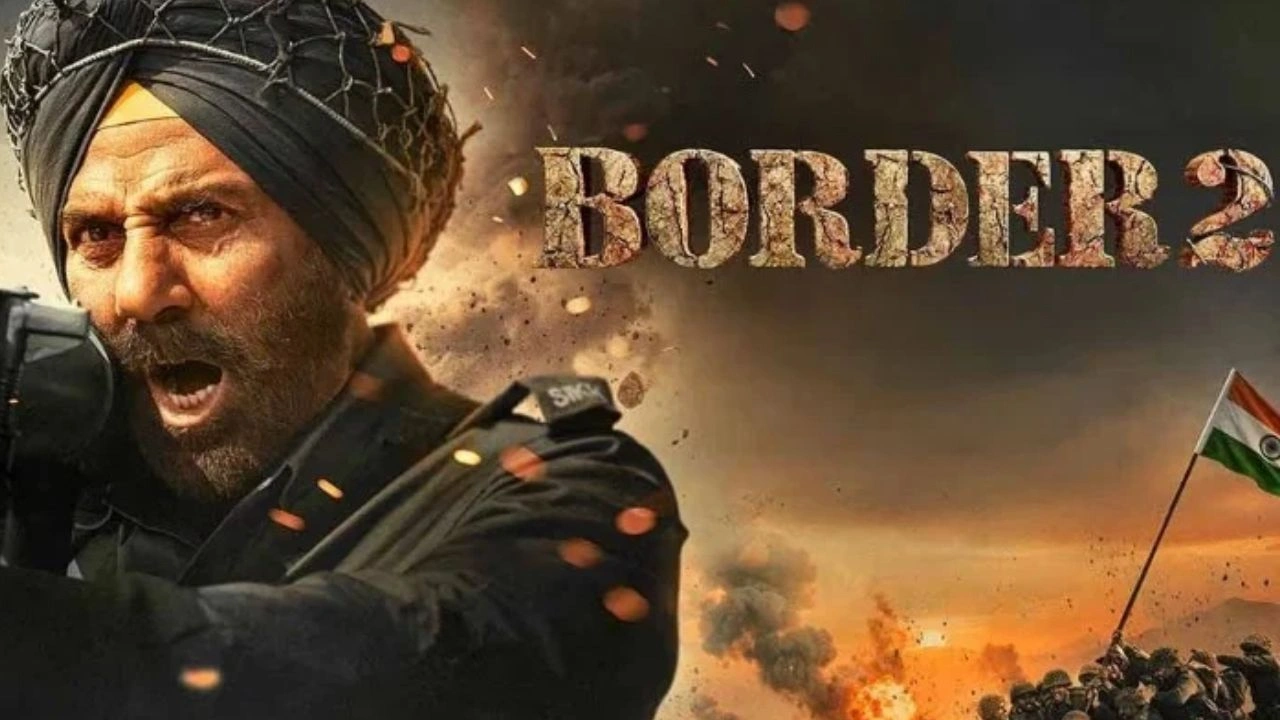
Border 2 Movie: An emotionally charged patriotic war saga portraying young Indian fighters defending the nation during history’s defining moment.
Border 2 arrives as one of the most anticipated Indian war films of the decade, revisiting the emotional and historical depth of the 1971 Indo-Pak war with a modern cinematic lens. Directed by Anurag Singh, the film brings together a formidable cast led by Sunny Deol, Varun Dhawan, and Diljit Dosanjh. Set against the backdrop of one of South Asia’s most defining conflicts, the movie blends action, history, and raw emotion into a sweeping narrative about courage, sacrifice, and brotherhood.
Unlike a routine sequel, Border 2 aims to honour legacy while forging its own identity, focusing on a new generation of Indian fighters who step into the shadows of legends. The result is a film that feels both nostalgic and contemporary—grounded in history, yet resonant with today’s audience.
A Legacy Revisited: From Border to Border 2
The original Border (1997) left an indelible mark on Indian cinema, becoming a cultural touchstone for patriotic storytelling. Border 2 understands this legacy and treats it with reverence rather than imitation. Instead of recreating iconic moments, the film expands the universe, shifting focus to young soldiers preparing for a greater, more complex threat during the 1971 war.

What stands out is the film’s refusal to rely solely on nostalgia. While subtle callbacks exist for longtime fans, the narrative remains accessible to first-time viewers. This balance between respect and reinvention is one of the film’s greatest strengths.
View Also: Peter Hujar’s Day Film Review – 2026 Release
Story & Narrative Depth: Beyond Bullets and Battles
At its core, Border 2 is not just a war film—it is a human story told through the lens of conflict. The plot follows a group of young Indian fighters stationed near a volatile border region as tensions escalate. Each soldier carries personal fears, dreams, and unresolved conflicts, which the screenplay carefully explores.
Written by Sumit Arora, J.P. Dutta, and Nidhi Dutta, the script balances large-scale war sequences with intimate moments of reflection. Conversations in dimly lit bunkers, letters written home, and quiet glances before battle add emotional weight that elevates the narrative beyond spectacle.
The film’s biggest achievement is how it personalises history, reminding viewers that wars are fought not by faceless armies, but by individuals with beating hearts.
Performances: A Cast That Carries the Weight of History
Sunny Deol: The Pillar of Patriotism
Sunny Deol returns to the war genre with commanding authority. His presence alone evokes memories of iconic patriotic roles, yet in Border 2, he brings restraint and maturity. Playing a seasoned officer, Deol embodies leadership forged through loss and experience. His dialogue delivery, especially in moments of moral conflict, is powerful without being loud, proving that patriotism can be expressed through silence as much as through slogans.
Varun Dhawan: A Career-Defining Transformation
Varun Dhawan surprises with a performance that marks a significant evolution in his career. As a young soldier grappling with fear and responsibility, Dhawan sheds his urban star image to deliver a raw, emotionally grounded portrayal. His arc—from uncertainty to resolve—is one of the film’s most compelling journeys.
Diljit Dosanjh: Heart and Humanity
Diljit Dosanjh brings warmth and quiet strength to the narrative. His character, rooted in camaraderie and humour, provides emotional relief without undermining the seriousness of the story. Diljit’s performance adds soul to the film, reminding audiences of the human bonds that sustain soldiers through unimaginable hardship.
Direction & Vision: Anurag Singh’s Commanding Control
Director Anurag Singh demonstrates remarkable control over scale and emotion. Known for handling intense narratives, Singh ensures that Border 2 never loses focus on its characters, even during massive battle sequences. His direction emphasises realism—mud-streaked uniforms, exhausted faces, and the chaos of combat are portrayed without glorification.
The war scenes are immersive, not indulgent, serving the story rather than overpowering it. Singh’s ability to transition smoothly between action and introspection keeps the pacing engaging throughout the film’s runtime.
Cinematography & Visuals: War Through a Realistic Lens
Visually, Border 2 is striking. The cinematography captures the harsh beauty of border landscapes—vast deserts, tense outposts, and smoke-filled skies. The colour palette leans towards earthy tones, reinforcing the gritty realism of wartime conditions.
Camera movements during battle scenes are dynamic yet controlled, avoiding disorientation. Each explosion, each advance, feels earned and purposeful, immersing viewers in the intensity of combat while maintaining narrative clarity.
Action Sequences: Intensity Without Excess
Action in Border 2 is grounded and strategic, reflecting real military operations rather than exaggerated heroics. Gunfights are chaotic, air raids are terrifying, and hand-to-hand combat feels brutally personal. The choreography prioritises realism, making every casualty and close call emotionally impactful.
What truly stands out is the film’s refusal to glorify violence. Victory comes at a cost, and the film ensures that audiences feel the weight of every loss.
Music & Background Score: Emotion Over Noise
The background score complements the narrative without overwhelming it. Patriotic themes are used sparingly, allowing emotional moments to breathe. When music does swell, it does so organically, amplifying the gravity of sacrifice and unity.
Songs, if any, are woven naturally into the story rather than interrupting it. The sound design—gunfire, radio chatter, distant explosions—adds another layer of realism, pulling viewers deeper into the battlefield.
Historical Context: Respectful and Responsible Storytelling
Set during the 1971 Indo-Pak war, the film handles historical elements with care. While artistic liberties exist, the broader political and military context is presented responsibly. The narrative avoids demonisation, focusing instead on the experiences of Indian soldiers and the complexities of war.
This approach makes Border 2 feel mature and globally relevant, appealing not only to Indian audiences but also to viewers interested in historical war dramas.
Themes: Courage, Brotherhood, and Sacrifice
Several powerful themes run through Border 2:
- Brotherhood beyond bloodlines, forged under fire
- Sacrifice as a collective responsibility, not individual glory
- The emotional cost of duty, borne silently by soldiers and families
These themes resonate long after the credits roll, making the film more than a one-time watch.
View Also: Scream 7 Movie Review 2026: Ghostface Returns With a Dark Legacy Twist
Strengths and Minor Shortcomings
Strengths:
- Powerful performances across the cast
- Emotionally rich storytelling
- Realistic and immersive war sequences
- Strong balance between legacy and innovation
Minor Shortcomings:
- The runtime may feel long for viewers unfamiliar with war dramas
- Some secondary characters could have benefited from deeper exploration
Despite these minor issues, the film’s impact remains undeniable.
Official Trailer – Border 2 Movie
Conclusion: Is Border 2 Worth Watching?
Absolutely. Border 2 stands as a worthy successor to a classic, offering a fresh perspective while honouring the spirit of its predecessor. With strong performances, thoughtful direction, and emotional depth, the film succeeds in reigniting patriotic sentiment without resorting to clichés.
For fans of war cinema, historical dramas, or emotionally driven storytelling, Border 2 is a must-watch theatrical experience. It reminds us that behind every battle are human stories of fear, courage, and unwavering commitment to the nation.